
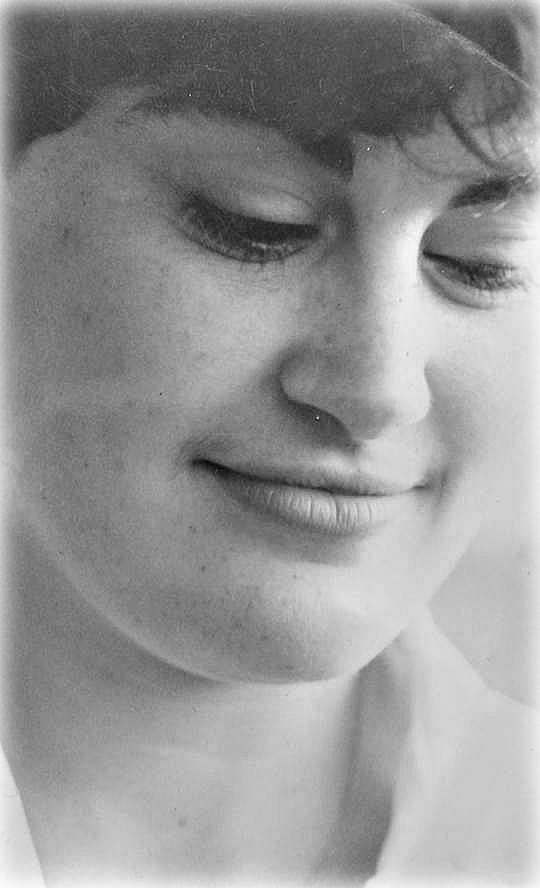
Today marks four years since my mum died. She died quickly, and slowly. From diagnosis until the end, it was a few days shy of three months. At the time, it felt like time had sped up, slowed down, that every day inched by and then was gone. And since she died, it’s been the same. She’s been dead for years now, but it feels like yesterday. I still wonder why she hasn’t phoned me for ages.
When she died, I had barely started on the road to being an historian. I knew I wanted to do it, I was a few weeks into my MA course, but I hadn’t specialised. Her death, and my grief, coloured my decision to start looking into death. I’ve always been fascinated by death, by the limits of human endurance. When my mum was dying, I needed to know the physical processes to understand why. I asked questions of medical staff, and I watched her deteriorate. I had to know why. It had to make sense. When you lose someone so close, there is an unreality about it, regardless of how expected it was: to understand the process of their death is to give your grief context
Part of the role of an inquest is to make a death make sense, to give it a story, a narrative that brings it together. That aspect of inquests doesn’t change.
Does grief?
Grief has become a theme in my work. Is the grief I feel for my mum the same type of grief that I would have felt in identical circumstances 150 years ago? Is the grief of a person for their mother, or a parent for their child different now to how it was then? Can I empathise with them? Can I do them justice? Is grief a fundamental emotion?
When I read an inquest, it plays in my head like a theatre production, but the characters are flat. I have to do more research to find out who they were, how their family worked. Inquest depositions are usually dry, reported speech with no inflection. The deceased is called ‘it’, not ‘him’ or ‘her’, but now and then a glimmer of despair, of panic; a reference to a witness being too distressed to attend, a wobbly signature. “She hadn’t been right since the child died” is a sentence that spoke volumes in the case of one poor woman. It’s finding these little tiny clues that give the stories life, and lead to meaningful analysis, because they are echoes of my own grief and shock and disbelief.
In four years, I have achieved more than I ever could have expected, but I have done it with a wound in my soul.
I miss you, Mum.
 Sophie Michell
One thought on “On Grief”
Comments are closed.